Homeowners heating with natural gas will pay more this winter after the state Public Utility Commission approved a two-phase rate hike for UGI Utilities. At Stoves N' Stuff in Stroudsburg, staff say wood and pellet stoves offer an alternative worth considering before the cold sets in.
The PUC-approved increase raised the average residential monthly gas bill to $117.69 from $113.76 starting Oct. 1, WVIA reported. A second phase will push that figure to $120.21 on Oct. 1, 2027. Combined, the two phases amount to a 5.7% increase. It is UGI's second base-rate hike in two years, following a 6.7% residential increase approved in September 2025.
The monthly residential customer charge is also going up, from $16.25 to $19 as of Oct. 1, and to $20 next October. UGI had requested $23.
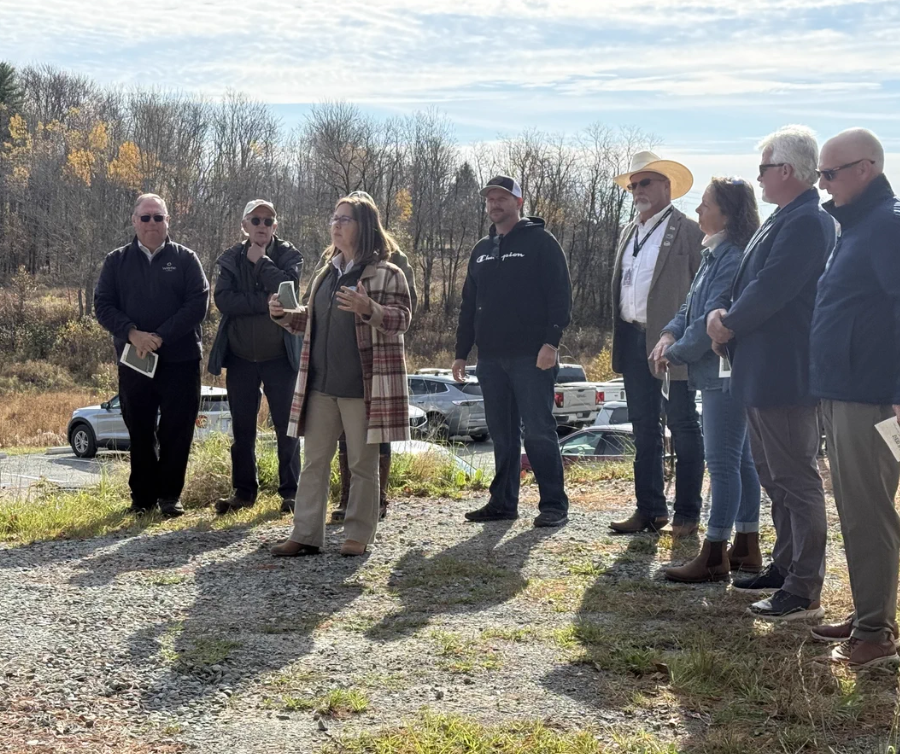
Against that backdrop, 28/22 News reported Tuesday, Oct. 27, that customers at Stoves N' Stuff in Stroudsburg are exploring wood and pellet stoves depending on their home, budget and heating needs.
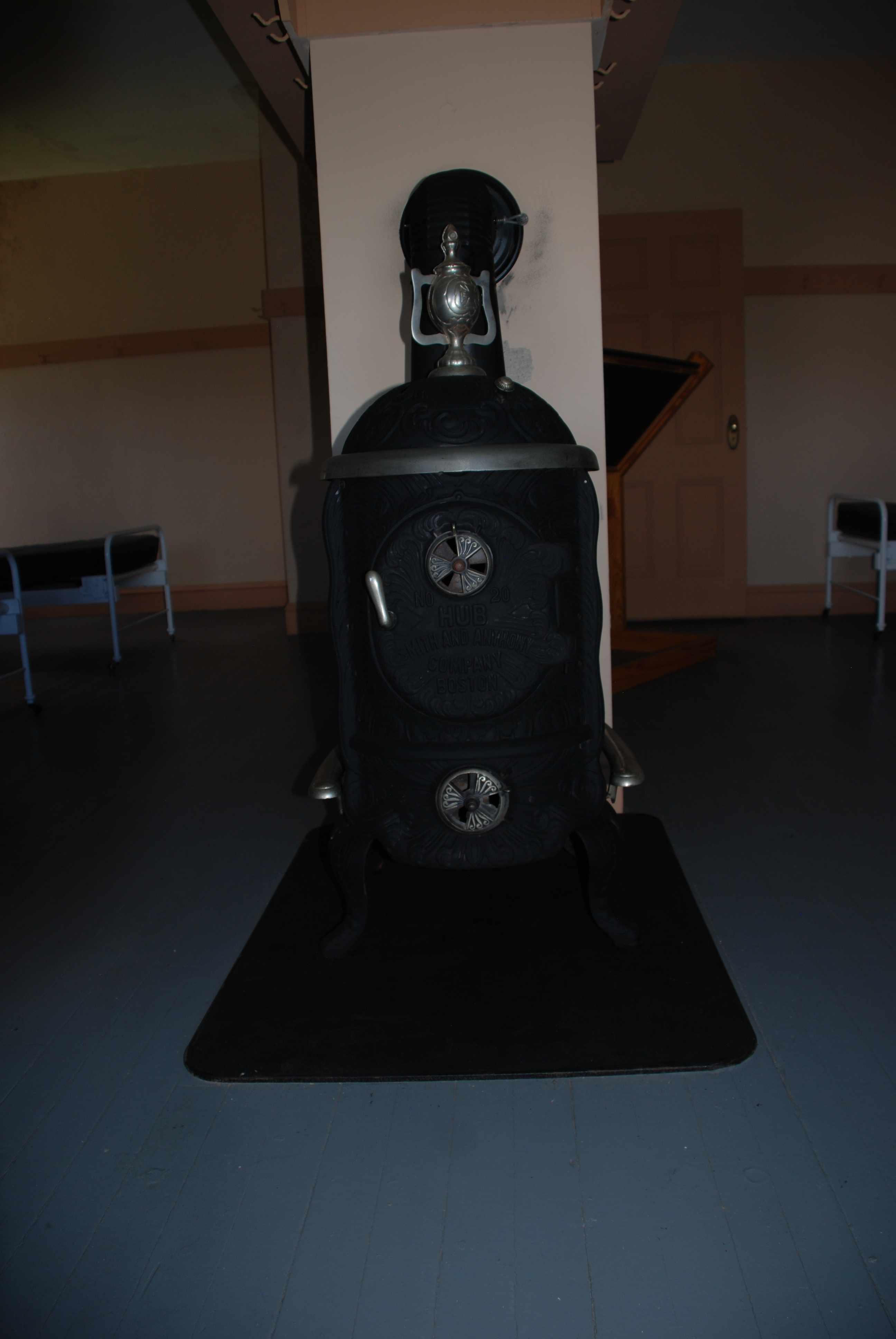
Peter Catanese, a store associate, told 28/22 News that wood stoves remain popular because they work during power outages. Pellet stoves, he said, hit a middle ground: easier to operate and mostly automated, though they require electricity to ignite and run blowers.
"Wood [pellet] is really like the perfect in the middle heat source for a lot of customers cause it's easy to use and it's mostly automated … and it is a pretty economical fuel as well," Catanese said.
The upfront cost is significant. John Broas, a warehouse employee at the shop, told 28/22 News a full installation project can run between $5,000 and $10,000. But he argued the investment can pay for itself. Using a hypothetical example, Broas said, “What the energy cost is going to be in those next two years, we’ll say timeframe, if you’re paying $1,200 a month and there’s five months of heating, you’re looking at almost $7,000 worth of expense there. So, over the course two years, you’ve well surpassed what you’re saving."
Homeowners also need to factor in maintenance and ongoing fuel costs before committing, according to the 28/22 News report.
The UGI settlement includes relief for low-income customers, according to WVIA. Low-income customers can automatically enroll in bill-assistance programs, including the federal Low Income Home Energy Assistance Program. UGI also committed to adding $250,000 to its hardship fund and maintaining $1.5 million in total annual contributions. The settlement blocks UGI from requesting another base-rate increase before Jan. 15, 2029.
Catanese urged shoppers not to wait, warning that holiday back-orders and winter weather can slow delivery and installation timelines.