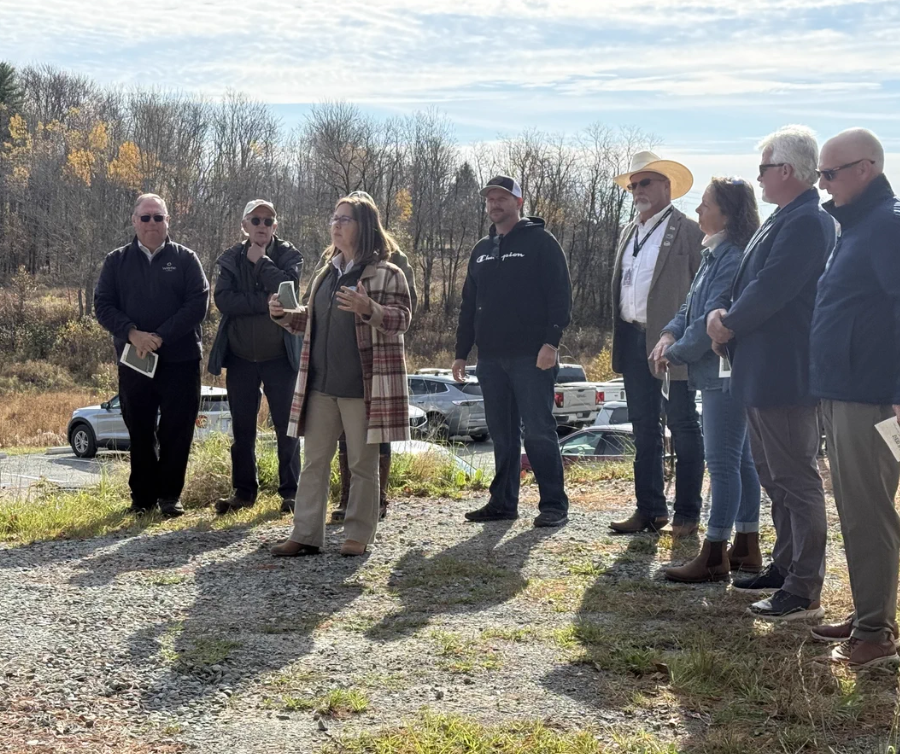
Pennsylvania Attorney General Dave Sunday launched a statewide campaign to fight cryptocurrency scams at the Loder Senior Center in East Stroudsburg on Thursday, Oct. 29.
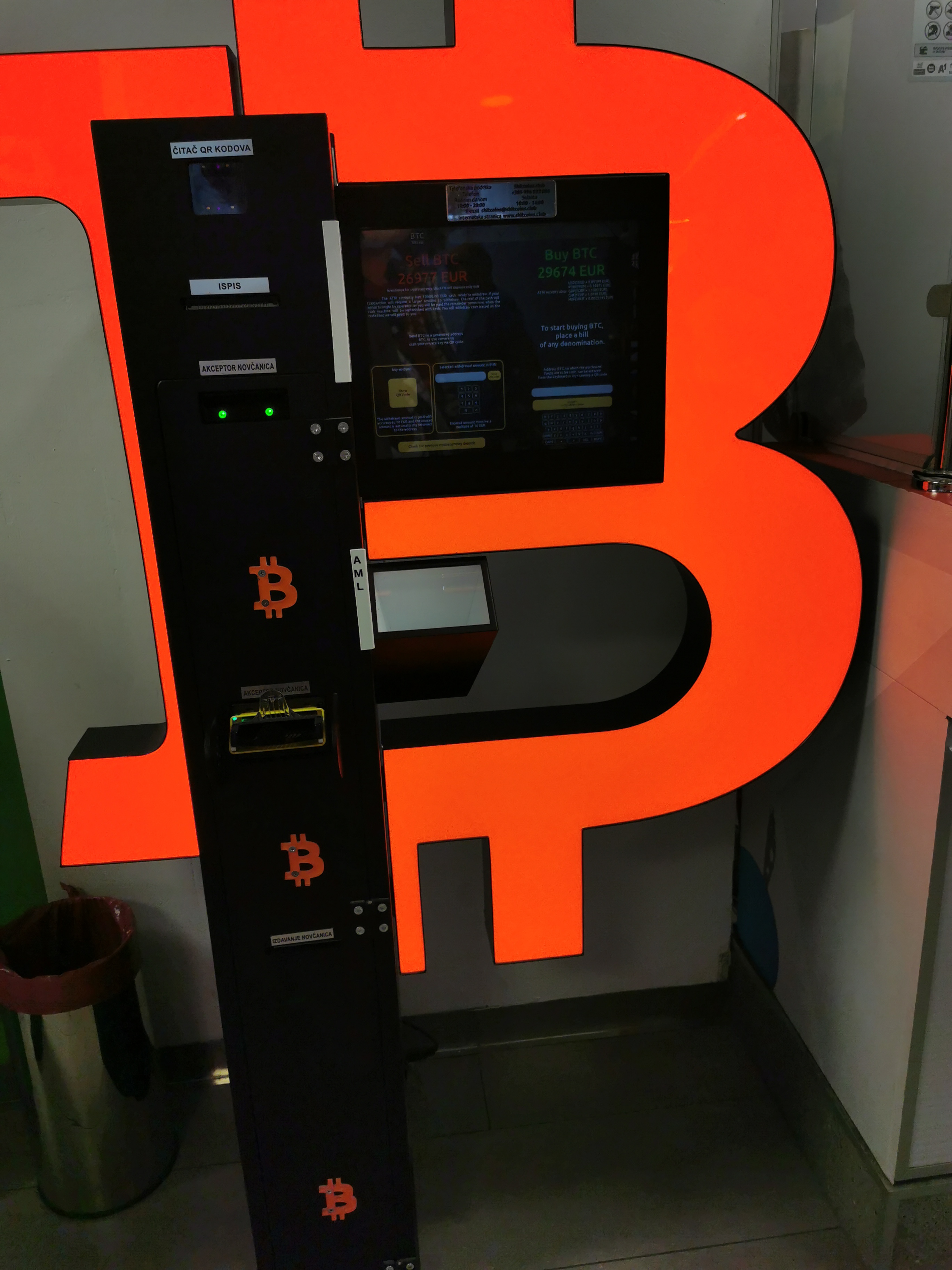
Bright red STOP signs with instructions were debuted at the Monroe County event, according to WFMZ. The signs will be placed on cryptocurrency kiosks, also called Bitcoin ATMs, across Pennsylvania. The goal is to make people pause before completing a transaction that could be a scam.
"The message here is simple: stop before you send the money," Sunday said.
The attorney general's office announced the campaign during National Cryptocurrency Month in October. Sen. Rosemary Brown, R-40, attended the East Stroudsburg event in support of the effort.
The campaign encourages businesses that operate the machines to display the signs prominently. The signs remind people to stop before following instructions from unexpected callers, scanning QR codes or sending money under pressure.
How the scams work
Scammers use threats of arrest, fake investment opportunities and online romance to convince people to send money through cryptocurrency, according to the attorney general's office. They direct victims to kiosks to convert cash into cryptocurrency and send it to a digital wallet the scammer controls.
Those transactions happen quickly and are often less traceable than a typical bank withdrawal, making it difficult for investigators to recover losses.
"All of these scams, they succeed because of fear," Sunday said.
The Bureau of Consumer Protection received about 290 complaints last year. The office has also seen an uptick in 2026 in government imposter scams. In those cases, callers pose as representatives of county sheriff's offices, threaten arrest and demand deposits into a Bitcoin ATM using a QR code.
No law enforcement agency or court will direct someone to a cryptocurrency kiosk to pay a fine, resolve a warrant or avoid arrest, the attorney general's office stated.
Real cases, real losses
In one case described by the attorney general's office, a person received a call that appeared to come from a local police department about an outstanding warrant. The caller ordered the person to purchase $4,000 in cryptocurrency through a kiosk. The money was sent to a scammer. The office was able to retrieve some of it.
In another case, a consumer reported sending $81,000 through wire transfers for what the attorney general's office described as purported cryptocurrency investments after developing a romantic relationship with someone on WhatsApp. The person realized it was a scam when they could not withdraw the money without paying more.
"We have one of the highest aging populations in America here in Pennsylvania," Sunday said. "At the same time, when you have bad guys out there that want to just steal money from seniors, unfortunately that's going to make us a little bit of a target."
How to protect yourself
The attorney general's office advises residents to hang up on anyone demanding cryptocurrency payments. Caller ID can be faked to display a legitimate number. People should contact the agency or business directly using a number from its official website.
Anyone who believes they have been targeted should stop sending money and keep messages, transaction receipts and any wallet addresses or QR codes used. Complaints can be filed at the attorney general's website, by emailing [email protected] or by calling 1-800-441-2555.