Pennsylvania's measles outbreak has claimed a sixth life, with state health officials reporting 1,467 confirmed cases across 45 counties as of Wednesday, Nov. 4.
An unvaccinated Jefferson County resident tested positive for measles and died, the Pennsylvania Department of Health (DOH) confirmed Wednesday, according to WFMZ.
The death brings Pennsylvania's confirmed measles-associated death toll to six this year. The deceased were residents of Jefferson (two), Lancaster (three) and Mifflin (one) counties.
The department is also investigating a reported October death of a Franklin County resident but had not determined that it met the criteria for a measles-associated death as of Nov. 4.
According to the DOH's measles information page, a death generally must occur within 30 days of measles symptom onset, involve laboratory-confirmed infection and not be attributable to an unrelated cause to be classified as measles-associated.
The state reported 34 new confirmed cases since Nov. 2, bringing the cumulative total to 1,467. Of those cases, 283 people have been hospitalized. Five cases involved fully vaccinated individuals, representing less than 1% of the total, according to the DOH.
Northeastern and central Pennsylvania cluster
A cluster of 152 confirmed cases has been identified across nine counties in northeastern and central Pennsylvania, according to WBRE/WYOU's Nov. 4 report.
The county breakdown is:
- 52 cases in Snyder County
- 42 cases in Clinton County
- 19 cases in Union County
- 14 cases in Northumberland County
- Eight cases in Lycoming County
- Seven cases in Schuylkill County
- Five cases in Columbia County
- Four cases in Montour County
- One case in Bradford County
Monroe and Pike counties, which include the Pocono region, are not among the nine counties listed in that cluster. However, the 152-case figure describes that specific cluster, not the full statewide outbreak.
The DOH maintains a statewide measles dashboard with county-level case information and other outbreak data.
State expands vaccination efforts
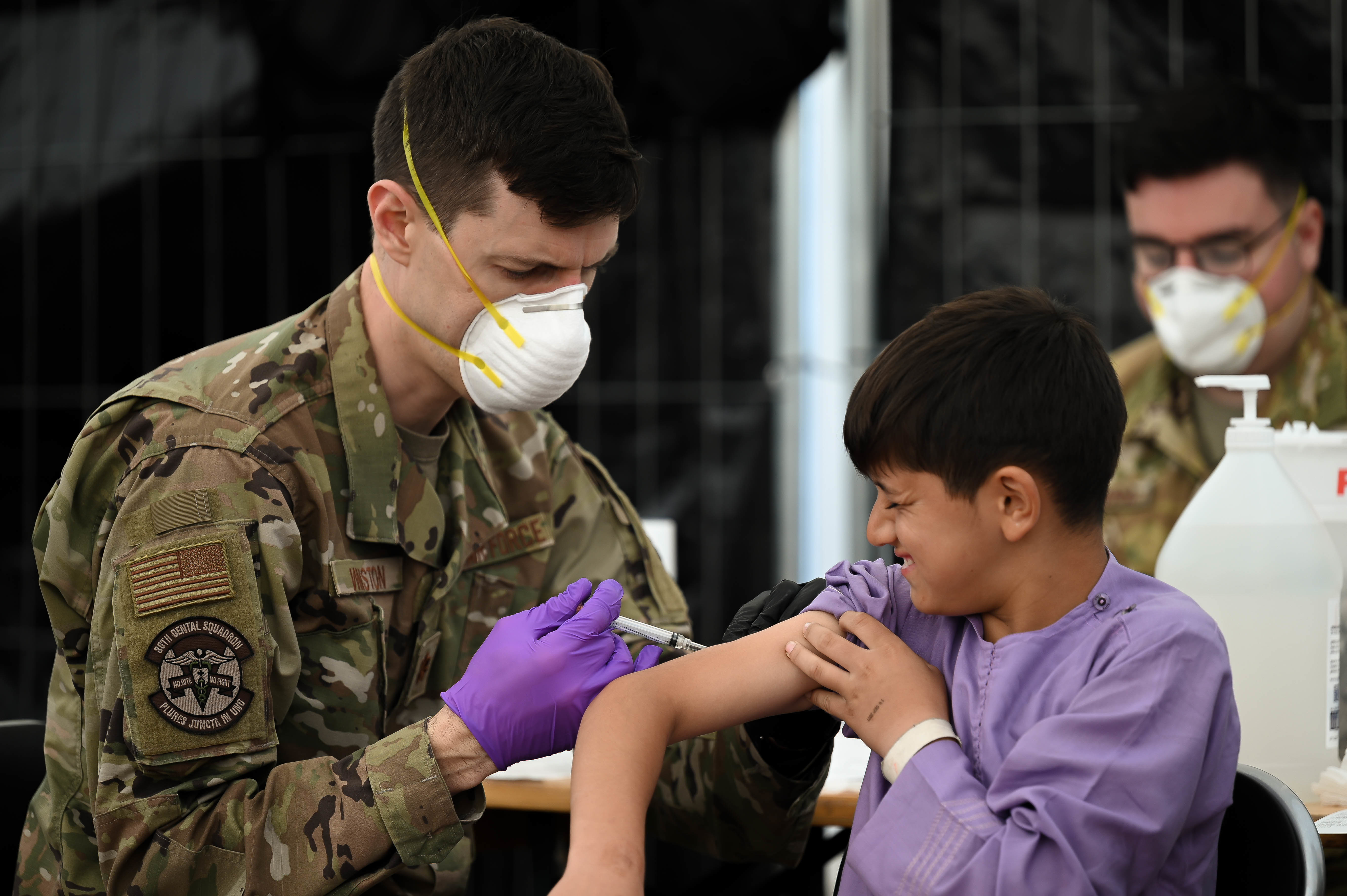
State health officials have administered more than 6,800 measles, mumps and rubella (MMR) vaccinations at 241 pop-up clinics in affected communities since the outbreak began in late April, according to WFMZ. Dozens of additional clinics are scheduled in the coming weeks and months.
The DOH says two doses of the MMR vaccine provide 97% protection against measles. The Centers for Disease Control and Prevention also reports that one dose is 93% effective.
The vaccine is available through health care providers, pharmacies, county and municipal health departments, Rural Health Centers, Federally Qualified Health Centers and the state's 59 health centers, according to the DOH.
Children 18 and under who are covered by Medicaid, uninsured or underinsured can receive the MMR vaccine at no cost at any of Pennsylvania's 59 state health centers. Most private and commercial insurance plans also cover the vaccine at no cost, though residents should check with their insurers.
Pocono Mountain School District posted a vaccination reminder in April, noting that children must meet Pennsylvania's school immunization requirements or risk exclusion from school. Two doses of MMR are among the required vaccinations.
What to know about measles
Measles is highly contagious and spreads through the air when an infected person coughs or sneezes. The virus can remain infectious in an airspace for up to two hours after an infected person leaves, according to the DOH.
Symptoms typically include a high fever, cough, runny nose and red, watery eyes, followed by a rash that usually begins on the head and spreads downward. Symptoms can appear as late as 21 days after exposure.
The DOH says measles can cause serious complications, including pneumonia and inflammation of the brain.
People who believe they have been exposed and are experiencing symptoms should contact their health care provider or call the department's toll-free hotline at 877-PA-HEALTH (877-724-3258). Residents should call ahead before visiting a health care facility so staff can take steps to prevent exposing others.